 951-375-9599
One of the biggest contributors to toilet problems in this region is hard water. Mineral deposits build up on internal components such as fill valves, flappers, and siphon jets. Over time, these deposits prevent parts from sealing correctly, causing running toilets, weak flushes, or loud refilling noises. According to the U.S. Geological Survey, hard water scale forms quickly in high-mineral regions, accelerating wear on plumbing fixtures and reducing performance.
Common Toilet Issues and What Causes Them
Frequent clogs usually happen when materials build up inside the trap or when the drain line is partially obstructed. Non-flushable items, low-flow toilets with outdated technology, and sewer line issues can all contribute to persistent clogging. Running toilets, on the other hand, are typically caused by faulty flappers, damaged overflow tubes, or misaligned fill valves. Even a small leak inside the tank can waste hundreds of gallons per day.
A toilet that leaks around the base often indicates a failing wax ring or loose bolts at the floor mount. Moisture around the base of a toilet should never be ignored—this type of leak can damage flooring and subfloors, leading to mold growth. The Centers for Disease Control and Prevention warns that long-term moisture creates conditions for mold to thrive, posing risks to indoor air quality and health.
Some homeowners also experience gurgling sounds after flushing. This usually means the toilet is struggling for proper ventilation or that the drain line is partially blocked. Ignoring these signs can result in complete blockages or sewer backup.
When to Repair and When to Replace Your Toilet
While many toilet problems can be repaired quickly, repeated issues often signal that replacement is a better investment. Older low-flow toilets, especially early models from the 1990s, may lack the flushing power needed to remove waste efficiently. Modern toilets are far more efficient and powerful, offering improved bowl cleaning, stronger flushing action, and significantly lower water usage.
If your toilet is cracked, frequently clogged, leaking at the base, or has worn-out internal components, replacing it can improve performance and reduce water waste. Newer models meet efficiency standards set by programs like WaterSense, helping homeowners save thousands of gallons each year.
Why Professional Toilet Service Matters
Toilets are deceptively complex. A repair that looks simple—such as replacing a flapper—may not solve the underlying issue if water pressure, ventilation, or drain line conditions are involved. Professional plumbers use specialized tools and diagnostic techniques to identify the real cause of toilet malfunctions, ensuring repairs are accurate and long-lasting.
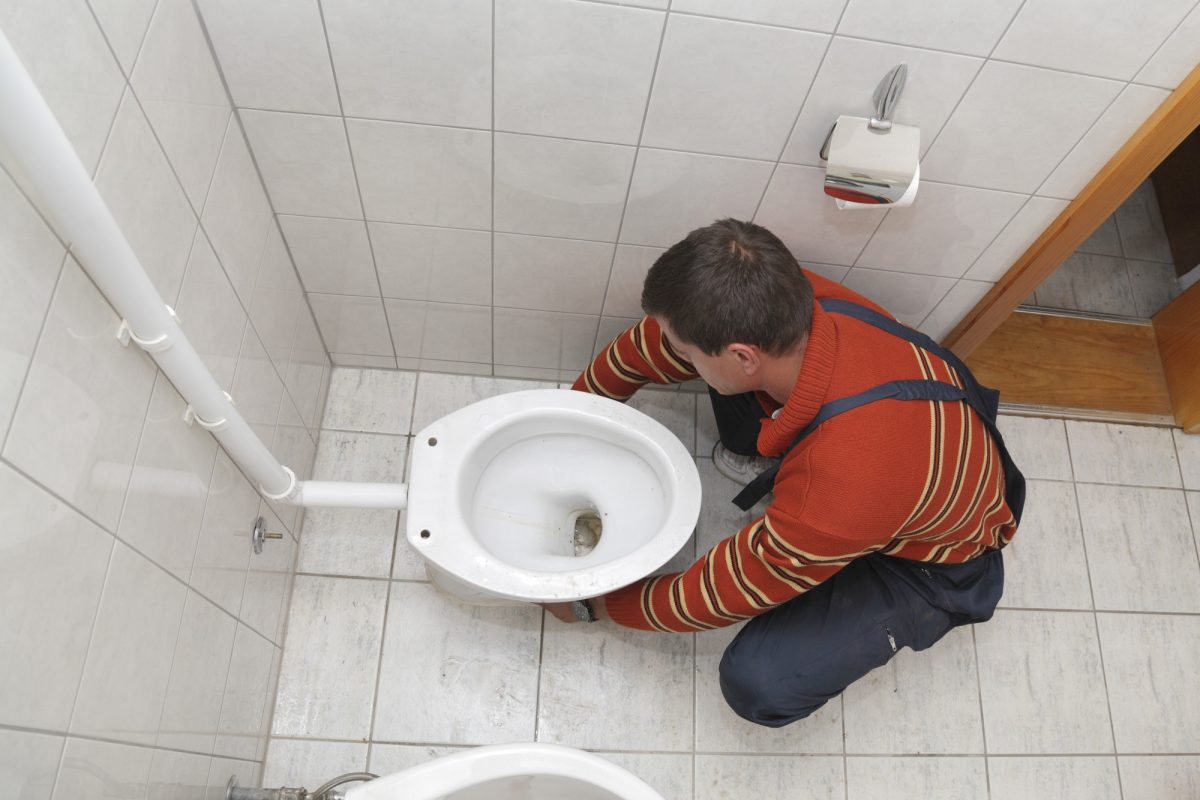
Professional installation is also crucial when replacing a toilet. Proper sealing, leveling, and secure mounting prevent leaks, rocking, and long-term damage to your flooring. A trained plumber ensures the new toilet performs reliably and efficiently from day one.
Your Southern California Experts for Toilet
When your toilet needs expert attention, IE Plumbing offers reliable repairs, replacement, and troubleshooting to restore comfort and efficiency to your home. Schedule fast and dependable Toilet service today through our Contact Us page.