
Many homeowners don’t realize that their plumbing system is aging until leaks, low water pressure, or water discoloration suddenly appear. In Southern California, where homes routinely face hard water, mineral buildup, and decades of pipe wear, repiping becomes necessary more often than most people expect. Old or failing pipes can cause hidden water damage, reduce water quality, and lead to higher monthly bills. Understanding when to repipe your home can save you from costly emergencies and protect the long-term value of your property.
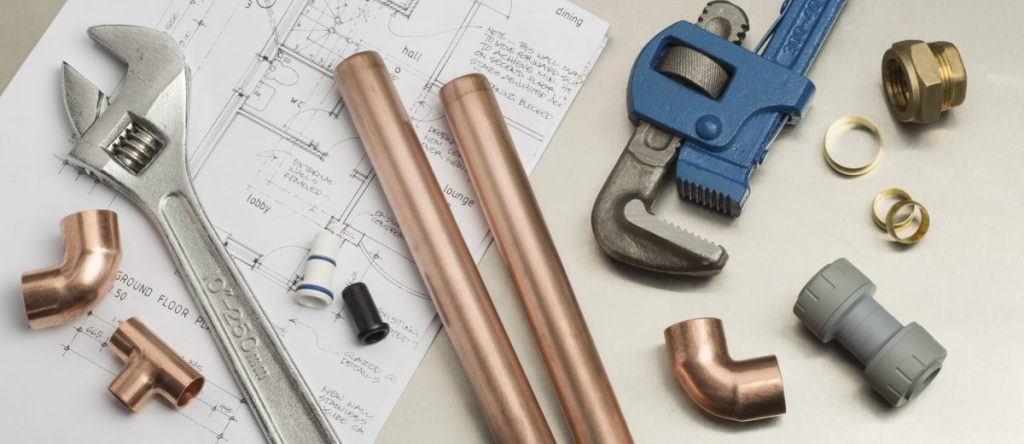
Residential plumbing systems naturally deteriorate over time, especially when made from older materials such as galvanized steel or polybutylene. Corrosion, mineral deposits, internal rust, and pressure fluctuations are common problems that slowly weaken pipes from the inside. According to the U.S. Environmental Protection Agency, hidden leaks caused by aging pipes waste a significant amount of water nationwide each year, putting strain on homes and utility systems alike.
Warning Signs That Your Home May Need Repiping
Repiping is not usually the first solution homeowners think of when plumbing issues arise. However, certain warning signs indicate that replacing your old pipes—not simply repairing them—is the smarter long-term investment. One of the most noticeable symptoms is poor water pressure. As pipes age, mineral deposits accumulate inside, narrowing the pathway for water to flow.
Another major sign is the presence of rusty or discolored water. When pipes corrode from the inside, fragments of rust begin breaking off and mixing with the water that comes out of your taps. The Centers for Disease Control and Prevention
highlights how water discoloration can indicate contamination, making it unsafe for drinking, cooking, or bathing.
Frequent leaks are also a red flag. Even if each individual leak seems minor, repeated issues along different sections of pipe often signal systemic failure. Instead of patching one leak after another, repiping eliminates the underlying cause—saving you money and stress over time.
Why Repiping Is a Smart Investment for Southern California Homes
Many homes in Southern California were built during periods when materials like galvanized steel or outdated plastic piping were the standard. Over time, these materials degrade, causing clogs, pressure problems, and serious leaks. Modern repiping materials such as copper and PEX offer greater durability, resistance to corrosion, and improved performance.
Copper pipes are known for their long lifespan and resistance to bacteria. PEX, on the other hand, is flexible, cost-effective, and highly resistant to scale and chlorine. Both materials are excellent options for bringing older plumbing systems up to current safety and performance standards.
Repiping also improves your home’s water pressure, eliminates the risk of rusty water, and reduces the chance of sudden, destructive leaks. According to the U.S. Department of Energy, efficient plumbing systems can even reduce the energy required to heat water, lowering monthly utility bills.
What to Expect During a Professional Repipe
Homeowners often worry that repiping is disruptive, but modern techniques allow plumbers to complete the job with minimal damage to walls and floors. A professional team will begin by assessing your existing plumbing layout and determining the most efficient approach. New pipes are installed section by section, often through attic or crawl spaces, to reduce the need for extensive reconstruction.
Once the new piping system is installed, the old pipes are either abandoned or removed, depending on the layout. After the plumbing work is completed, small access points are patched, leaving your home clean and restored. Most homes can be repiped within a few days, depending on size and complexity.
Your Southern California Experts for Repipe
When aging pipes begin affecting your home, I.E. Plumbing Services Inc. is ready to help with reliable, efficient repiping solutions. Upgrade your plumbing system today by scheduling professional Repipe service through our Contact Us page.